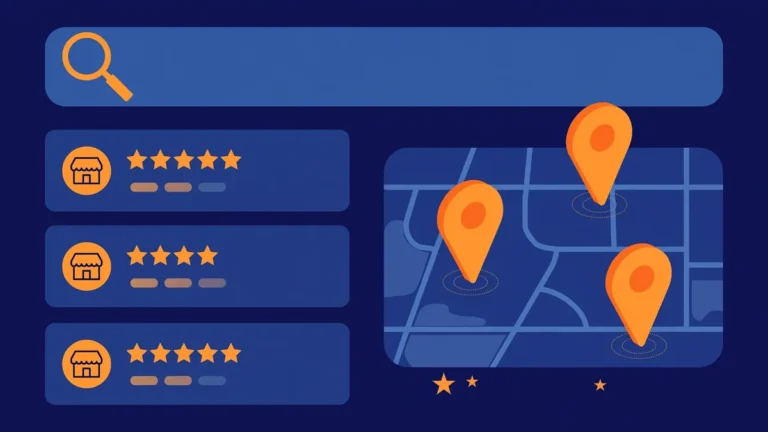
Picture a family restaurant on Tahlia Street in Jeddah: packed weekends, a veteran chef — but eleven Google reviews, a PDF-trapped menu, hours saying “closed on Fridays.” Two blocks away, a blander competitor tops Maps for every dinner search. That gap — between food and phone ringing — is what seo for restaurants saudi arabia closes.
Is restaurant SEO just regular SEO with food photos? Not quite. Do diners find you on Maps, via Arabic voice search, or inside a delivery app? This guide: the map-pack playbook, review engines, menu SEO, the delivery-app question, and a seasonal calendar for Ramadan, Hajj, and Jeddah Season.
What you will get: eight moves in priority order, SAR costs (Oct 2026), and mistakes to skip. EazyRankSEO serves restaurants across the Kingdom.
Definition: SEO for restaurants in Saudi Arabia is making a restaurant visible when hungry customers search Google and Google Maps — in English, Arabic, and Arabizi — via an optimised Business Profile, earned reviews, a crawlable menu with restaurant schema, and local relevance.
Why is restaurant SEO different from regular SEO?
Restaurant SEO is different because the whole decision happens on a phone, within minutes and a few kilometres: diners search “near me,” choose from the map pack’s photos, ratings, and hours, rarely scrolling past three results. Profile completeness, review velocity, and accurate hours beat blog content and backlinks — the reverse of most industries.
Three differences shape this guide. First, the map pack is the homepage: Google shows three listings (the local pack) before any website result, so prominence signals — reviews, ratings, photo freshness — outweigh classic factors. Second, the product is perishable: wrong iftar hours cost covers tonight. Third, aggregators sit between you and the diner: apps rank for your brand name and own the relationship — which is why seo for restaurants saudi arabia treats your website and GBP as assets to defend.
How do Saudi customers actually find restaurants online?
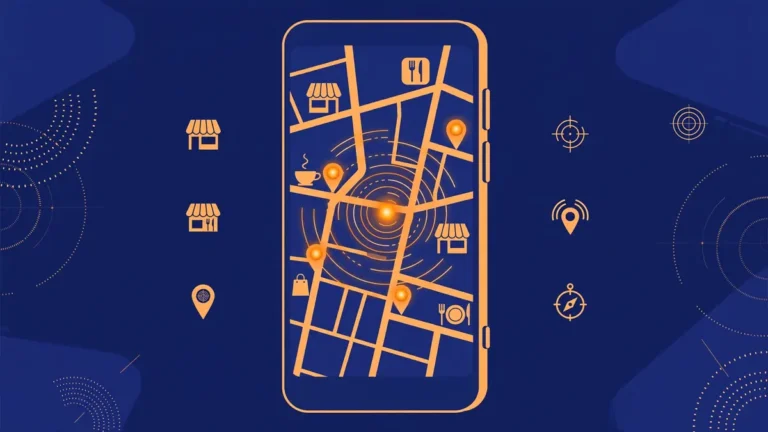
Saudi diners find restaurants through three doors: Google Maps (“near me” searches), Arabic and Arabizi typed and voice queries, and delivery apps — the mix shifts by city and occasion. A Jeddah family plans Friday dinner on Maps; a Riyadh office orders lunch via app; a Makkah pilgrim asks their phone in Arabic. Cover all three doors.
Search here is bilingual: one diner types “best burger Jeddah”, then asks “وين أحسن مطعم برجر في جدة؟” (wain ahsan mat’am burger fi Jeddah — “where is the best burger restaurant in Jeddah?”, Saudi dialect) by voice. AI Overviews answer many dining queries directly, so only complete listings get cited. The Transport General Authority logged 132M+ delivery orders in Q2 2026, up 30.5% year on year (Saudi Gazette, September 2026). That three-door reality is the foundation of seo for restaurants saudi arabia.
Why Jeddah’s restaurant scene needs its own keyword map
Jeddah is the Kingdom’s toughest restaurant SEO market: dense competition on Tahlia and the Corniche, heavy Arabic-query volume, neighbourhood-level searching. Research keywords per city — never copy a Riyadh list. Map cuisine + neighbourhood + occasion bilingually, and publish Jeddah Season pages weeks before the festival, not during.
What does your Google Business Profile need to win the map pack?
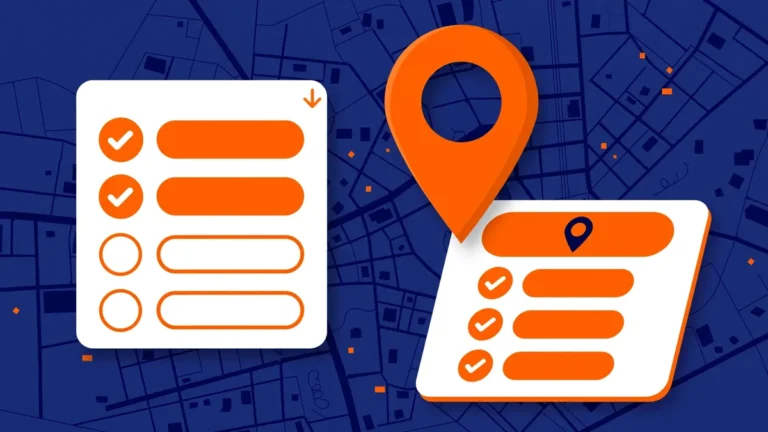
To win the restaurant map pack, your profile needs five things: the most specific primary category (“Seafood restaurant,” not “Restaurant”), a complete detailed description naming cuisine and neighbourhood, menu + reservation + ordering links, 50+ real photos with fresh ones monthly, and your accurate hours including Ramadan. Miss any and complete profiles beat you.
Categories deserve obsession: Google’s relevance filter starts here. Photos are your audition — diners decide from the photo strip, which drives click-through rate. Set special hours before Ramadan: iftar and suhoor timings, Eid closures. Wrong hours earn one-star reviews that haunt the listing for months. Our GBP setup guide covers the essentials.
How do you turn reviews into your best ranking asset?
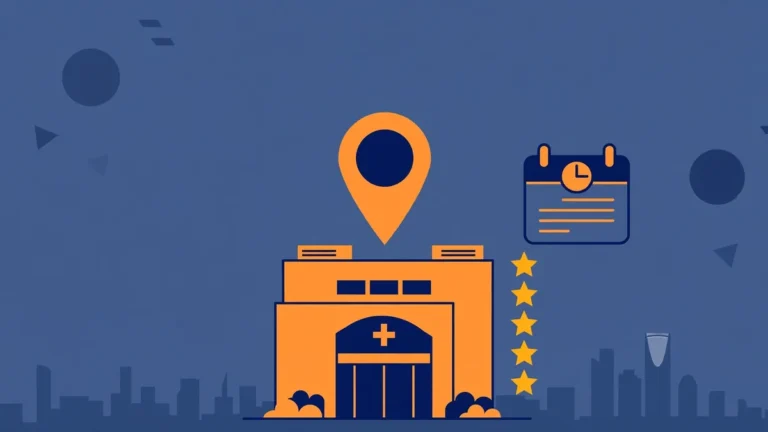
Turn reviews into a ranking asset with a system, not luck: ask every satisfied diner — a QR code on the bill makes it one tap — respond within 48 hours, and never buy, gate, or incentivise reviews. Google weighs count, star ratings, recency, and response rate as prominence signals: steady fresh reviews beat a large stale total.
Details beat stars: reviews naming dishes and neighbourhoods reinforce relevance — echo them in replies. A gracious response to a harsh customer review convinces ten silent readers. During Ramadan, review volume spikes — staff the responses like the kitchen. Review velocity is the highest-leverage weekly habit in seo for restaurants saudi arabia. The full playbook is in our guide to getting more Google reviews.
What should your restaurant website have to rank — and convert?
A restaurant website that ranks and converts needs six elements: every dish on crawlable HTML pages, Restaurant and Menu schema markup, click-to-call and reservation widget, location and hours visible without scrolling, green Core Web Vitals, and one page per branch. Miss the menu or schema and your dishes never get indexed.
The PDF menu is the classic self-inflicted wound. Rebuild it as text — dish names, descriptions, SAR prices — compress food photos for page speed — with schema.org/Restaurant structured data so Google shows prices and hours directly (Google’s docs confirm JSON-LD is recommended). Google uses mobile-first indexing. Nail on-page SEO basics: cuisine + neighbourhood in the meta title, one H1, logical header tags. Keep NAP consistency — identical name, address, phone — everywhere; fixing mismatches is the job of local citation building. A readable, marked-up menu is the single biggest on-page win in seo for restaurants saudi arabia.
How do Jahez, HungerStation, and The Chefz fit your SEO strategy?
Treat delivery apps as rented shelf space, not your home: keep Jahez, HungerStation, and The Chefz listings complete and highly rated, but drive repeats toward direct ordering via your website and GBP links. Apps own the data and take their cut; your site is the only channel where margin and relationship stay yours.
This is the contrarian core of seo for restaurants saudi arabia: most restaurants optimise for the apps, neglect their own assets — then wonder why direct orders never grow. Flip it: the app listing should funnel diners toward your brand; your website offers direct ordering with no commission. Keep menus identical, let app sales data decide which dishes earn pages, and use apps for acquisition while keeping repeat business direct.
How do you plan restaurant SEO around Ramadan, Hajj, and Jeddah Season?
Plan backwards from the peak: Ramadan demand builds weeks before the holy month, Hajj brings millions of pilgrims needing nearby dining, Jeddah Season spikes summer footfall — so seasonal pages, hours, and review pushes must be live 4–6 months early. Starting SEO in week one of Ramadan is like opening an iftar tent after maghrib.
For Ramadan 2027 (expected early February 2027): publish iftar/suhoor pages and set special hours by October 2026. For Hajj (expected mid-May 2027): Makkah and Madinah restaurants need pilgrim-friendly pages live by January. Use evergreen URLs (“iftar-buffet-jeddah”) so authority compounds. Seasonal planning is the most underused lever in seo for restaurants saudi arabia.
Makkah: winning pilgrim-dining searches during Ramadan and Hajj
Makkah runs on a different clock: during Ramadan and Dhul-Hijjah, millions of pilgrims search in Arabic, Urdu, Indonesian, and Turkish. Win with proximity: target “restaurant near Haram” queries, keep Maps hours accurate, build review velocity in-season. Start 4–6 months out: January preparation owns Ramadan.
How much does restaurant SEO cost in Saudi Arabia — and how do you measure it?
Restaurant SEO typically costs SAR 1,800–6,500 per month with an agency, or your own time plus free tools — buy technical SEO help per project when you need it. Measure it in covers and orders, not rankings: track GBP calls, direction requests, reservation clicks, and direct online orders, and expect 3–6 months before the trend is unmistakable.
DIY the fundamentals, and buy help for technical work or a brutal strip like Tahlia. Check Google Search Console monthly for driving queries, and weigh every riyal of your seo for restaurants saudi arabia budget against conversion rate and ROI. Timelines are ranges, not promises — which is why we publish how we talk about SEO results openly. When a Ramadan season’s revenue justifies professional firepower, specialists in local SEO services who know the Kingdom’s dining market are worth comparing.
Frequently asked questions
How long does restaurant SEO take to show results?
Profile changes — categories, photos, hours — can shift map visibility within weeks; review velocity and citations need 2–4 months to compound. Website gains usually take 3–6 months — typical for seo for restaurants saudi arabia. Ignore page-one-in-30-days promises; track the trend line weekly. New restaurants start slower; established ones move faster. Map-pack movement often shows first; website gains follow a month or two later.
Should my restaurant menu be a PDF or a web page?
A web page — always. PDF menus are nearly invisible to Google: dish names and prices rarely get indexed. Rebuild the menu as crawlable HTML with SAR prices, add Menu schema so Google displays items, and keep a PDF only as a convenience download. Dish-level pages match search intent — ‘kabsa near me’ lands on the kabsa page. That is how dishes start ranking on their own.
Do I still need a website if most orders come from delivery apps?
Yes — more than ever. Apps own the customer relationship and take a commission; your website is the only channel where margin and data stay yours. Diners check your site before trusting an app listing. Use apps for discovery; convert repeats to direct ordering. A restaurant with no website is a tenant renting diners; one with a strong site owns its demand.
How do I rank for Arabic searches like “best restaurant in Jeddah”?
Target exact diner phrasing: أفضل مطعم في جدة (afdal mat’am fi Jeddah — “best restaurant in Jeddah”, MSA register) is among the highest-volume Arabic dining queries. Build Arabic content around it — cuisine, neighbourhood, signature dishes — and earn Arabic-language reviews, which reinforce relevance. Never machine-translate; use geo-targeting: neighbourhood names in titles tell Google where you serve. Use Saudi-dialect phrasing where diners voice-search.
Can I ask customers for Google reviews?
Yes — asking is allowed and essential; buying, gating, or incentivising is not. Ask every satisfied diner, make it one tap with a QR code, and respond to every review. Never script what customers write. Steady monthly velocity beats a one-time burst — and never gate reviews. Train staff on one simple ask at bill time, and track how many reviews each week brings.
How should I handle negative reviews during the Ramadan rush?
Respond fast, stay gracious, move it offline: “we’re sorry your iftar fell short — please message us so we can make it right.” That reassures dozens of silent readers; defensiveness confirms the complaint. Ramadan amplifies everything. If the criticism is valid, acknowledge it and state what changed. That one Ramadan response can win more regulars than a month of ads every year.
Is SEO worth it if delivery apps drive most of my orders?
If apps drive most orders, SEO matters precisely because of that dependence. Direct orders keep full margin and customer data; app orders pay commission and train diners to open the app. SEO builds the direct channel that compounds while app fees rise. The question isn’t SEO or apps — it’s what share of your revenue you want to keep every single month.
Should I hire an agency or do restaurant SEO myself?
Do the fundamentals yourself: profile, reviews, HTML menu. Hire help for fierce competition (Tahlia, the Corniche), technical work (schema, speed, multi-branch), or when a Ramadan season justifies it — the usual winning formula for seo for restaurants saudi arabia. Compare plans against expected covers. Many owners blend both: they run the weekly habits while specialists handle the technical layer.
How do I get my restaurant mentioned in Google’s AI answers?
AI Overviews and featured snippets cite pages with clear, extractable answers: put a 40–70 word direct answer under each question heading, keep Restaurant and Menu schema accurate, and complete your GBP. Publish the Arabic answers diners ask with real hours and prices — E-E-A-T decides who gets quoted. No markup forces citation; being the clearest source is the strategy for seo for restaurants saudi arabia.
Conclusion
That Tahlia Street restaurant, six months on: 400+ reviews, an HTML menu Google can read, iftar hours posted before Ramadan — and the map pack and organic traffic sending diners nightly. The food never changed; seo for restaurants saudi arabia simply became an operating habit.
Next three steps: first, complete your Google Business Profile this week. Second, put a review QR code on every table. Third, rebuild your menu as a web page with schema. When competition — or a Ramadan season — demands more than evenings-and-weekends, talk to specialists in local SEO services and compare our SEO pricing.
What is the one thing about your restaurant’s Google visibility you have never gotten a straight answer on? Leave it in the comments — I read every one.
About the author: Mohammad Muttiullah, Founder of EazyRankSEO, leads SEO strategy for restaurants and hospitality businesses across Saudi Arabia — from Jeddah’s dining scene to Makkah’s pilgrim-season peaks. Learn more about our team.