You own an electronics shop on Tahlia Street in Jeddah. A customer says, “I found you on Google” — and you realize you have no idea why you, not the shop across the street.
Google confirmed core updates in March and May 2026, plus spam updates in March, June, and August. This guide covers the three-stage pipeline (crawl → index → rank), why pages fail at each stage, Arabic queries, and a stage-by-stage site diagnosis — all facts dated October 2026.
Executive Summary
Every search engine does three jobs — crawling discovers pages, indexing stores them, ranking orders them at search time — plus a 2026 fourth layer: AI answers built on the same index. Most “invisible website” problems are crawl or indexation failures, not ranking failures. Below: what Googlebot does on your site, why some pages get stored and others skipped, how ranking works, and how Arabic queries get matched — including Makkah’s pilgrim-search problem. Timelines are covered in our guide on how long SEO takes.
How do search engines work? A search engine runs a three-stage pipeline: crawling discovers web pages, indexing stores them in a giant database called the index, and ranking orders them when someone searches. Google’s index holds hundreds of billions of webpages.
How do search engines work? The short answer
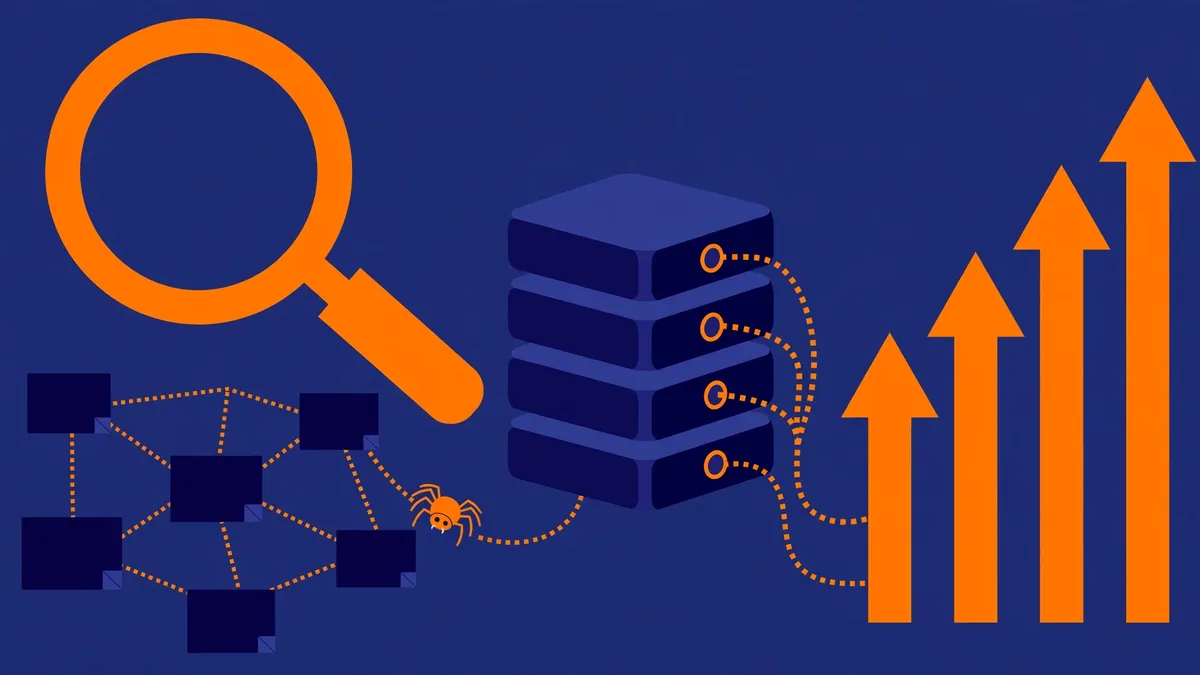
How do search engines work? In three stages that must succeed in order. Crawling discovers pages by following links. Indexing decides whether to store each page. Ranking happens only when a user searches: the engine pulls matching pages from its index and orders them by relevance and quality. A failure at any earlier stage guarantees failure downstream.
Think of a library where the librarian must first find your book (crawling), read it (indexing), and only then recommend it (ranking). The contrarian truth: for a new site, crawling and indexing matter more than backlinks combined — once you understand how do search engines work as a pipeline, you stop treating symptoms.
| Stage | What happens | If it fails… |
|---|---|---|
| Crawling | Googlebot visits pages and follows links | Your pages are unknown to Google |
| Indexing | Google analyzes and stores (or skips) the page | Your pages can never appear |
| Ranking | Google orders stored pages at query time | Your pages appear — on page 5 |
What is crawling? How Googlebot finds your pages
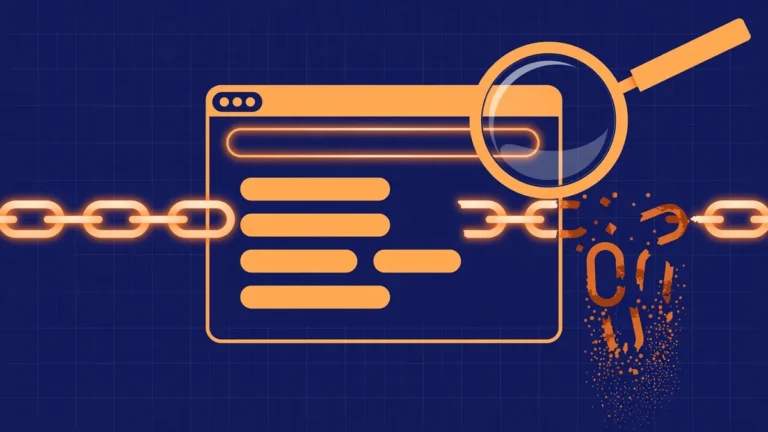
Crawling is the process by which automated programs called crawlers (or spiders) — Google’s is named Googlebot — systematically visit webpages, download them, and follow the links on those pages to discover new content. Googlebot starts from known URLs, follows links like a person clicking through a site, and revisits important, frequently updated, healthy sites more often.
That is the first piece of how do search engines work: discovery before everything. Googlebot respects robots.txt and your XML sitemap. Three things decide whether your pages get found: internal linking — every key page a few clicks from the homepage with descriptive anchor text (internal linking strategy); crawl budget — new sites are visited far less; and technical health, which is why website design choices affect SEO.
What is indexing? Why Google stores some pages and skips others
Indexing is the stage where a search engine analyzes a crawled page — its text, images, headings, links, and code — and decides whether to store it in its searchable database, the index. Google keeps pages it judges useful and unique, and quietly skips thin, duplicate, or low-value ones. A page that is crawled but not indexed can never appear in search results.
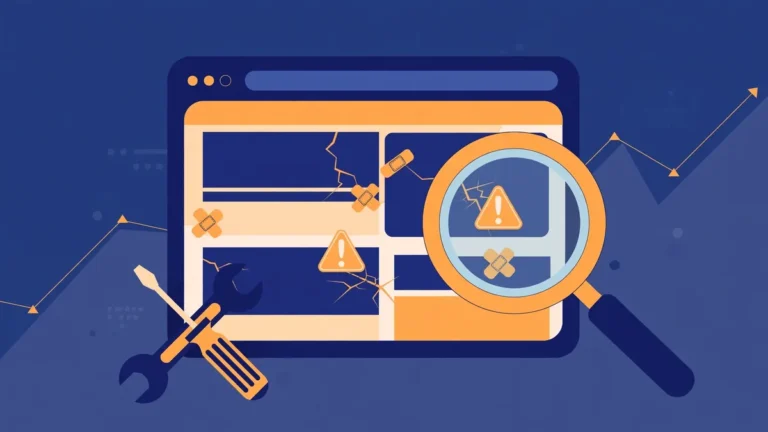
This is the second piece of how do search engines work: selective storage. Searches query Google’s inverted index, never the live web. Pages get skipped for noindex directives, duplicates (the canonical tag names the survivor), and thin content. Since the helpful-content system entered Google’s core in March 2024, on-page SEO bars have only risen.
How does Google rank pages? The systems behind the order
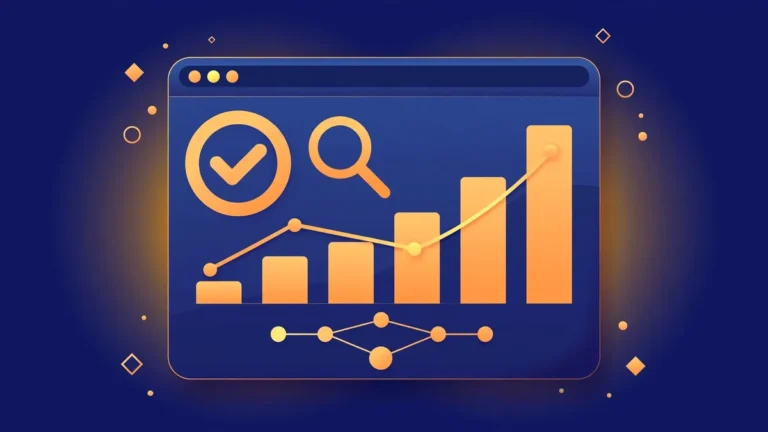
Ranking happens the instant someone searches. Google takes the query, finds matching pages in its index, and orders them using many ranking systems and ranking factors — assessing relevance, quality, page experience, link authority, and location. There is no single “algorithm,” and Google has never published a full, public, definitive factor list.
The third piece of how do search engines work is query-time scoring: core updates (March and May 2026 confirmed; pages are reassessed, not penalized), BERT (2019), E-E-A-T (experience, expertise, authoritativeness, trustworthiness), link signals (the PageRank idea survives — see off-page SEO and link building), and page experience (Core Web Vitals, mobile-first indexing, HTTPS) as tiebreakers. Second contrarian truth: ranking #1 for a keyword with no local search intent is a vanity metric, not revenue.
What does a search results page (SERP) actually show?
A SERP — search engine results page — is what Google assembles after ranking. In 2026 it is far more than ten blue links: paid ads, an AI Overview summarizing the answer, a local pack of map results, organic results, meta titles, featured snippets, knowledge panels, and image carousels — all built from the index in milliseconds.
How do search engines work when assembling that page? They never visit the live web — everything comes from the index. The local pack (map results for “best restaurant jeddah”) runs on proximity, reviews, and your Google Business Profile — which is why local SEO services are a separate discipline, and why NAP consistency (our local citation building work) feeds the pack.
How do search engines understand Arabic (and other languages)?
Search engines understand Arabic through language models like BERT that map meaning across languages instead of merely matching words. Google can match a Saudi-dialect query to a Modern Standard Arabic page — even to an English page when nothing better exists. Writing only in stiff formal Arabic costs Saudi businesses queries.
This is how do search engines work across languages: meaning-matching, not word-matching. Three registers matter: MSA — طريقة تحسين محركات البحث (tareeqat tahseen muharrikat al-bahth, “how to improve search engine optimization”); Saudi dialect — كم ياخذ السيو (kam yaakhudh as-siyoo, “how long does SEO take,” Saudi dialect); Arabizi — “kam yakhod el seo.”
Makkah’s pilgrim problem: how search engines handle Urdu, Indonesian, and Turkish queries
No competitor covers this: a hotel in Aziziyah, near the Haram in Makkah, needs bookings from pilgrims searching in Urdu, Indonesian, and Turkish. Search engines cope through language detection, translated results, and geolocation signals. During Ramadan and Dhul-Hijjah, multilingual volume explodes — Google serves an Indonesian query with Indonesian pages first, then nearby English or Arabic pages. Winning hotels publish in the pilgrim’s language, starting months before peak season.
How do search engines work for a Saudi business?
For a Saudi business, how do search engines work in practice? The pipeline is identical — but the query mix is local. Most valuable searches are “near me” or city-modified queries on mobile, answered with the local pack. Your Business Profile, reviews, and citations feed the ranking systems, while Ramadan, Hajj, and White Friday reshape what ranks when.
A Jeddah restaurant’s money queries are Arabic-heavy and map-driven; a Riyadh law firm’s are English-dominant and desktop-driven. Same engine, same three stages — different tactics. Seasonality is the lever competitors ignore: a Makkah hotel starting SEO in January owns Ramadan; one starting in March rents it from Google Ads. At EazyRankSEO, the first question we ask Saudi clients is when demand peaks.
Why is my website not on Google? Diagnose it stage by stage
If your website is not on Google, diagnose by stage first. Not discovered? That is crawling — fix links, submit a sitemap, request indexing. Discovered but absent? That is indexing — check URL Inspection for noindex, canonical, or thin-content issues. Indexed but invisible? That is ranking — content or authority is not competitive yet.
| Symptom | Failing stage | Fix |
|---|---|---|
| Google shows nothing | Crawling | Submit sitemap; “Request indexing” (days–2 weeks) |
| “Crawled — currently not indexed” | Indexing | Add unique content; fix canonical/noindex |
| Indexed but on page 5+ | Ranking | Deeper content; earn backlinks |
| Ranking drop after an algorithm update | Ranking (update) | Check the update; improve quality |
Third contrarian truth: never buy backlinks or redesign before knowing your row. The cheapest fixes live upstream.
What to do this week
- Search
site:yourdomain.com— that is your indexed footprint. - In Search Console, inspect your homepage URL.
- Submit your XML sitemap.
- Local business? Claim your Google Business Profile first.
Frequently Asked Questions
What is the difference between crawling and indexing?
Crawling is Googlebot visiting and downloading your page; indexing is Google deciding to store it in its searchable database. A page can be crawled without being indexed — judged duplicate, thin, or blocked by a noindex tag. Think of crawling as the librarian picking up your book and indexing as her shelving it. Check URL Inspection to see which stage failed.
Can a page be crawled but not indexed?
Yes — one of the most common invisible-website causes. Google crawls the page, then declines to index it because it duplicates another page, carries a noindex directive, or has almost no unique content. Fix the cause: add genuinely unique content, set the correct canonical tag, remove stray noindex tags, and strengthen internal links. Recheck in URL Inspection within a few weeks.
How long does it take for a new page to appear in Google?
Discovery and indexing typically take days to a few weeks on a crawlable site when you request indexing in Search Console — but appearing is not ranking. A new page may sit on page 8 for months. Most Saudi businesses see first movement in 3–6 months; our guide on how long SEO takes explains why.
Why is my website not showing up on Google at all?
Work through the stages. If site:yourdomain.com shows nothing, it is crawling — missing sitemap, no inbound links, or a robots.txt block. If some pages appear but key ones do not, it is usually indexing — noindex tags, duplicates, or thin content. If pages rank terribly, it is ranking — content or authority gaps. Most cases are stage one or two.
Do search engines read images?
Partly. Google cannot “see” images like you do — it reads file names, alt text, captions, and increasingly uses image-recognition models. Descriptive file names and honest alt text help images rank in image search and give Google page context. Keyword-stuffed alt text backfires. Every product photo on a Saudi e-commerce site is an indexing opportunity most stores waste.
How do search engines handle Arabic queries from Saudi users?
Language models match meaning across registers: a Saudi-dialect query كم ياخذ السيو (kam yaakhudh as-siyoo, “how long does SEO take,” Saudi dialect) can match an MSA page about طريقة تحسين محركات البحث (tareeqat tahseen muharrikat al-bahth, “how to improve search engine optimization,” MSA). Write in your customers’ register — businesses ignoring Arabic hand Jeddah and Makkah traffic to competitors.
Is SEO dead because of AI Overviews?
No — but “rank and get the click” is no longer the whole game. AI Overviews synthesize answers from pages that rank well, so strong rankings earn citations inside the AI answer too. What is dying is thin, generic content: if an AI could assemble your page from three competitors, the overview will not need you. Original data and local expertise get cited.
Can I make Google crawl my site faster?
You can encourage it, not command it. Submitting an XML sitemap, earning links from well-crawled sites, keeping your server fast, and using “Request indexing” in Search Console all help. Publishing regularly trains the crawler to return. What does not work: “instant indexing” tools or resubmitting the same URL daily. Googlebot visits important, healthy sites more often — becoming one is the real shortcut.
Do search engines use different ranking rules in Saudi Arabia?
The core systems are global, but results are deeply local: your location, the query language, and regional demand reshape every page. “Near me” queries trigger the local pack powered by your profile and reviews; Arabic queries surface Arabic content; Ramadan and Hajj shift what Google considers relevant for Makkah. See our SEO pricing to get this handled properly.
Conclusion
How do search engines work? They crawl to discover, index to understand, and rank to answer — in that order. Most invisible websites are stuck at stage one or two; most disappointing rankings are stage-three problems. Treating one stage’s disease with another’s medicine is how businesses waste a year and blame “SEO.”
Next steps: run the diagnosis above this week, fix crawl and index issues before spending a riyal on content or links. If you want a practitioner to run that diagnosis with you, EazyRankSEO’s website is the starting point — and read how we talk about SEO results first.
So: which stage is your website stuck at?
About the Author
Mohammad Muttiullah is the Founder of EazyRankSEO, an SEO agency serving businesses across Saudi Arabia — Riyadh, Jeddah, Makkah, Madinah, and the Eastern Province. He diagnoses crawling, indexing, and ranking problems for Saudi SMEs daily. Learn more about our team.