Picture a restaurant owner on Tahlia Street in Jeddah. Her Google Business Profile gets thousands of views a month and her Search Console impressions keep climbing — but her website clicks are flat. Her customers see her phone number, hours, and star rating directly on Google, and call without ever visiting her site. What is zero-click search, and why does it make your analytics lie? This guide answers exactly that.
What is zero-click search? Zero-click search is any Google search that ends on the results page, with no click to any website. Google answers the question directly — through a featured snippet, knowledge panel, local pack, or AI-generated summary — so the searcher’s need is met before they ever leave the SERP (search engine results page).
This is the decade’s broadest shift in search behaviour — bigger than AI Overviews alone. Here’s which searches go zero-click, who wins and loses, and how Jeddah businesses win visibility without the click.
What Is Zero-Click Search, Really?
What is zero-click search, really? It is a behavioural measure, not a Google feature: any search session that ends without a click to a third-party website. Researchers sort every Google search into buckets — an organic click, a paid ad, a Google-owned property like Google Maps, a refined query, or no further action — and the last two buckets are what “zero-click” counts.
Three distinctions matter. First, zero-click is not “no traffic”: a searcher who sees your restaurant’s local pack listing, reads your 4.8-star rating, and calls you is a zero-click search — and a converted customer. Second, definitions vary (ppc.land’s explainer). Third, zero-click predates AI by a decade.
How Did Zero-Click Search Take Over Google?
Zero-click search took over in stages, not overnight. Google’s Knowledge Graph arrived in 2012, featured snippets in 2014, and the local pack kept expanding — each answering more queries directly on the results page. By 2019 roughly half of all Google searches already ended without a click, and every new answer format since has pushed the number higher.
The data: in 2019, Jumpshot found about 49% of searches ended clickless; in 2020, SimilarWeb measured 64.82%. Then the strongest study: SparkToro’s 2024 Datos analysis found 58.5% of US searches and 59.7% of EU searches ended with zero clicks (SparkToro). By early 2026: 68.01% (Search Engine Land).
The honest caveat: different panels and definitions make year-to-year numbers imperfectly comparable — but every method points the same way.
What Does a Zero-Click SERP Actually Look Like?
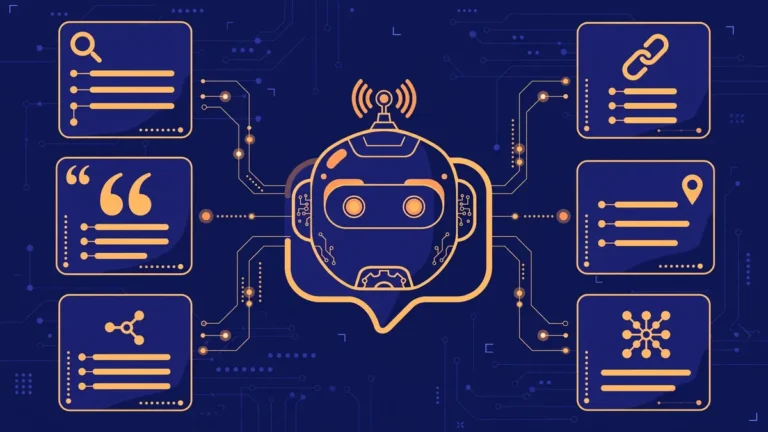
A zero-click SERP is any results page where Google’s own features answer the query before organic listings get a chance. Seven features create zero-click searches: AI Overviews, featured snippets, knowledge panels, the local pack, direct answer boxes, People Also Ask, and image or video carousels — and most commercial queries in Saudi Arabia now trigger at least two of them.
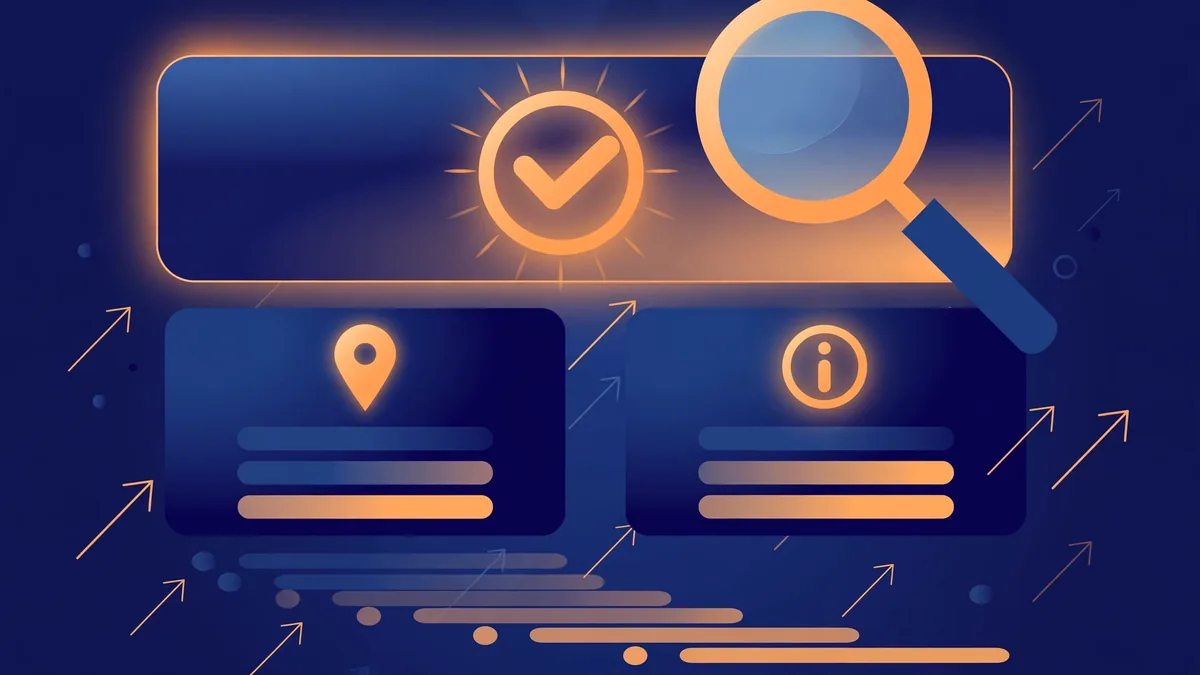
Walk through them as a searcher does. AI Overviews (powered by Gemini, with AI Mode expanding the format) answer informational queries with citations. Featured snippets pull one page’s direct answer above the first result. Knowledge panels answer brand searches. The local pack answers “near me” searches with phone numbers, hours, and directions. Answer boxes and People Also Ask finish the job.
The pattern: Google answers queries where the answer is a fact. Queries it cannot answer directly (“which clinic should I trust?”) still send clicks — and that is where your strategy lives. In one line, that is what is zero-click search: Google answering the fact-queries itself, and sending you the judgment-queries.
How Many Searches Really End Without a Click?
As of early 2026, roughly two in three US Google searches end without a click to any website — 68.01% between January and April 2026, per SparkToro’s 2026 study, up from 58.5% in 2024. But the headline hides the split that matters: informational queries go zero-click far more often than transactional ones, so your exposure depends entirely on which queries you target.
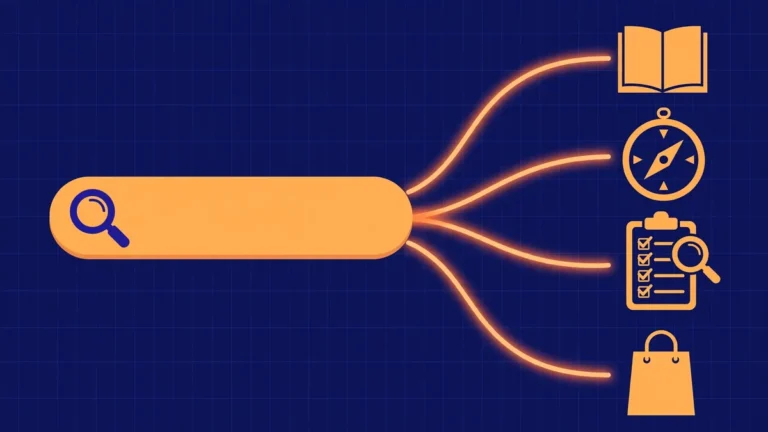
Now the split that decides your strategy. Informational queries (“what is vat in Saudi Arabia”) go zero-click most. Navigational queries (“stc pay”) end on Google’s properties or the brand’s site. Transactional queries (“book dental appointment Jeddah”) still convert to clicks and calls. Local queries sit in the middle: calls, direction requests, WhatsApp messages — zero website clicks, full business value.
Who Loses Traffic — and Who Quietly Wins?
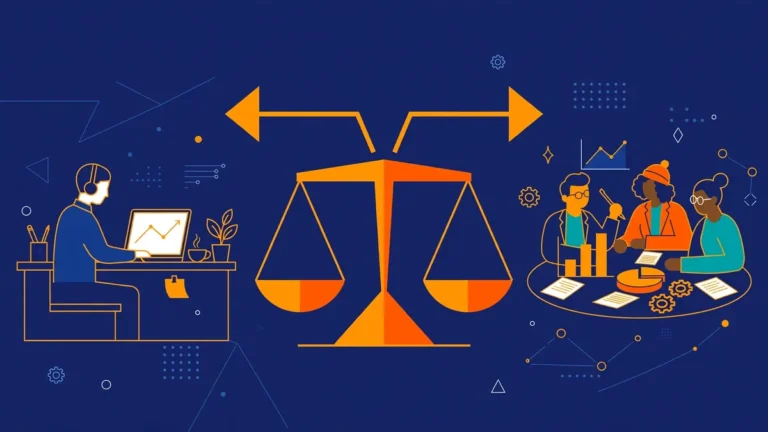
Zero-click search punishes one business model above all others: publishers who monetize informational pageviews with display advertising. The winners are local businesses whose customers call straight from the local pack, brands people search by name, transactional pages Google cannot fulfil — and, counterintuitively, the expert sources Google cites inside its own answers.
The losers are easy to spot. Content sites built on “what is” and “how to” traffic watched their organic traffic erode to featured snippets, then AI Overviews — Pew found visitors who saw an AI summary clicked a regular result only 8% of the time, versus 15% without one.
The winners look different. A dental clinic in Riyadh’s Olaya district does not need blog readers — it needs “dentist near me” searchers to see its 4.9 stars and tap call. And here is the contrarian take most SEO blogs will not print: being cited inside the answer is the new ranking — the commercial upside of what is zero-click search. Cited pages get fewer clicks, but those clicks come pre-sold.
How Do You Win at Zero-Click Search?
If you are asking what is zero-click search so you can beat it: become the answer Google shows, not just a link it lists. Five moves: optimize for featured snippets with direct answers, claim your knowledge panel and entity, add schema markup (FAQPage, HowTo, LocalBusiness), dominate the local pack, and write answer-first content — the same discipline that wins voice search.
At EazyRankSEO, we run these five as one system — clear header tags, descriptive anchor text, tight internal linking, and consistent local citations. One warning: winning position zero is not always winning — for transactional queries, a snippet that answers the question can reduce your clicks. Measure, don’t assume.
The Jeddah test: winning zero-click on mobile-first screens
Jeddah is where zero-click strategy gets real, because Jeddah searches the way the future searches: on phones, in Arabic, with “near me” intent. A diner on the Corniche searches “مطعم قريب مني” (mat’am qareeb minni — “restaurant near me”, MSA), checks the local pack’s star ratings, and walks in.
The winner is the restaurant with the complete Google Business Profile optimization, the freshest customer reviews naming specific dishes, and current photos. Mobile-first indexing means Google judges your phone experience, and on phones the answer features dominate the screen. During Jeddah Season, “near me” queries convert straight from the SERP — in Jeddah, what is zero-click search? Mostly the local pack.
How Do You Measure SEO When the Click Disappears?
When the click disappears, you must measure what the click used to proxy: visibility, brand demand, and assisted revenue. In practice that means four views: Search Console impressions and position by query, branded search trends, click-through rate by query type, and assisted conversions in Google Analytics — the dashboard that replaces the session.
Google Search Console is the only tool showing searches you were seen for, clicks or not. Impressions climbing while clicks stay flat is not failure — it is zero-click visibility. Segment by query: informational queries will show the gap; transactional ones should still convert clicks. Next, branded searches, which convert at multiples of generic ones. Then CTR by query type: falling CTR on informational queries is the market; on transactional queries it is a real problem.
Finally, connect search to revenue beyond the last click. Assisted conversions show journeys that started on Google and finished later — by direct visit, WhatsApp message, or a walk into your branch. This is how we talk about SEO results: ranges and assisted value, never guarantees.
Is Zero-Click Search the End of SEO?
No. If you are wondering what is zero-click search the end of, the honest answer is lazy SEO — the era when generic 800-word articles harvested clicks merely by existing. What survives: genuine expertise that gets cited, local visibility that drives calls, transactional pages that convert, and brands people search by name.
Two honest admissions. First, some traffic is gone for good. Second, the bar is now “worth citing.”
But here is the contrarian view the panic-mongers miss: zero-click makes real expertise more valuable, not less. Google’s answer features need sources. AI Overviews need citations. The local pack needs genuine reviews — signals only real businesses produce, and exactly what Google’s E-E-A-T framework rewards. If your business has real expertise, zero-click search did not take your traffic.
Frequently Asked Questions
What is zero-click search in simple terms?
It means getting your answer directly on Google without clicking any website. You search “weather Jeddah” and see the forecast; you search “dentist near me” and see a map with phone numbers. Google answers the easy questions itself — through snippets, knowledge panels, the local pack, or AI summaries. The click didn’t disappear — it moved to the phone call and the branded search.
Is zero-click search bad for SEO?
It is bad for one kind of SEO: publishing generic informational content to harvest pageviews. For businesses, it is mostly neutral to positive — local searches still convert through calls from the local pack, transactional searches still click through to buy, and being cited inside Google’s answers builds brand trust that compounds. Zero-click punishes content farms; it rewards real businesses. For most businesses, that is good news.
What percentage of Google searches are zero-click in 2026?
SparkToro’s 2026 study found 68.01% of US Google searches ended without a click between January and April 2026, up from 58.5% in 2024 (59.7% in the EU). If you are asking what is zero-click search in numbers, that is the answer — but definitions matter: the stricter the definition, the lower the reported number. Check Search Console by informational versus transactional queries.
How do you win a featured snippet?
Find a question you already rank on page one for, then add a direct 40–70 word answer immediately after a question-formatted H2 — Google lifts self-contained passages. Match the snippet’s format: paragraph for definitions, list for steps, table for comparisons. Keep the answer factual and current, and make sure the page itself is genuinely the best answer. There is no submission form — snippet wins are pure on-page SEO craft.
Do AI Overviews count as zero-click search?
Yes — AI Overviews are the newest and fastest-growing zero-click feature. They answer informational queries with a generated summary and citations; Pew measured that visitors who saw one clicked a regular result only 8% of the time versus 15% without. But snippets, knowledge panels, and the local pack created zero-click searches years earlier. Our AI Overviews strategy guide covers getting cited inside them.
How do I track zero-click performance for my site?
Open Search Console and compare impressions to clicks by query: high impressions with low clicks on informational queries signals zero-click visibility, not failure. Track branded search volume — it rises when Google keeps showing your name. In Analytics, watch assisted conversions for journeys that started on Google and finished on WhatsApp or by phone. Report visibility and assisted revenue together, or you will undervalue your SEO.
Can a local business win zero-click searches?
A local business is the natural winner of zero-click search. The local pack answers “near me” queries with your phone number, hours, directions, and star rating — customers convert without visiting your website. Winning it takes a complete Google Business Profile, correct categories, NAP consistency, and genuine reviews you respond to. For most Saudi SMEs, this single feature is worth more than a hundred blog posts.
هل البحث بدون نقرات يؤثر على موقعي؟ (Does zero-click search affect my website?)
نعم، لكن التأثير يعتمد على نوع المحتوى. البحث بدون نقرات (al-bahth bidoon naqarat — “search without clicks”, MSA register) يؤثر أساساً على المقالات المعلوماتية العامة التي يجيب عنها جوجل مباشرة. أما الصفحات التجارية والمحلية فتستمر في جلب العملاء عبر الاتصالات والطلبات. In English: it mainly affects generic informational articles — commercial and local pages keep converting. لذلك ركّز جهودك على الصفحات التجارية وصفحات الخدمات المحلية.
Should I stop publishing blog content if everything goes zero-click?
No — but stop publishing the kind zero-click eats. Generic “what is” articles with no original insight are now raw material for Google’s answers. What still earns value: first-hand expertise (which gets cited), local content tied to your services, and comparison content. One cited expert article a month beats twelve generic posts. One cited expert article a month beats twelve generic posts.
The Bottom Line
Back to the restaurant owner on Tahlia Street. Her SEO was never broken — her measurement was. Once she tracked calls and direction requests alongside clicks, the “traffic collapse” turned out to be a visibility success story — the happy ending of understanding what is zero-click search.
Your three steps this week. First, open Search Console and find your highest-impression, lowest-click queries. Second, win the features: direct answers for snippets, a complete profile for the local pack, structured data everywhere. Third, fix measurement.
If you would rather have practitioners build that visibility for you, explore our SEO services — and see our SEO pricing for plans starting at SAR 1,800/month.
What is the one SEO metric you have never gotten a straight answer on? Drop it in the comments.
About the author: Mohammad Muttiullah, Founder of EazyRankSEO, leads SEO strategy for businesses across Saudi Arabia — from Jeddah restaurants to Riyadh clinics. He writes about the practical side of search: what actually moves rankings, traffic, and revenue. Learn more about our team.
Article schema: headline “What Is Zero-Click Search? (And How to Win It)”; author Person Mohammad Muttiullah (https://eazyrankseo.com/about/#mohammad-muttiullah); datePublished 2026-10-05; dateModified 2026-10-05; publisher Organization EazyRankSEO (https://eazyrankseo.com/#organization).